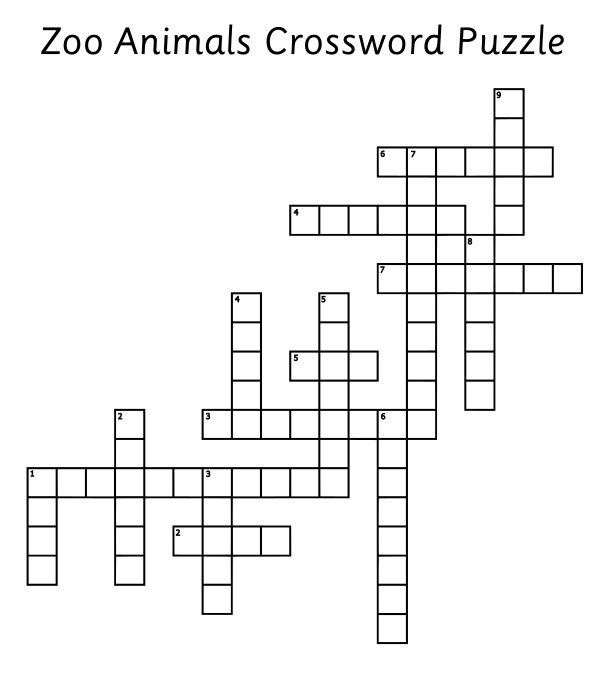
Crossword Puzzle#
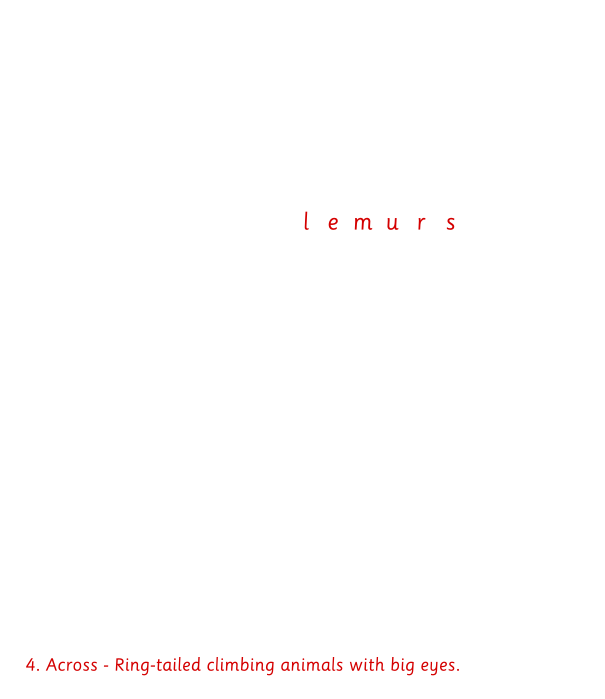
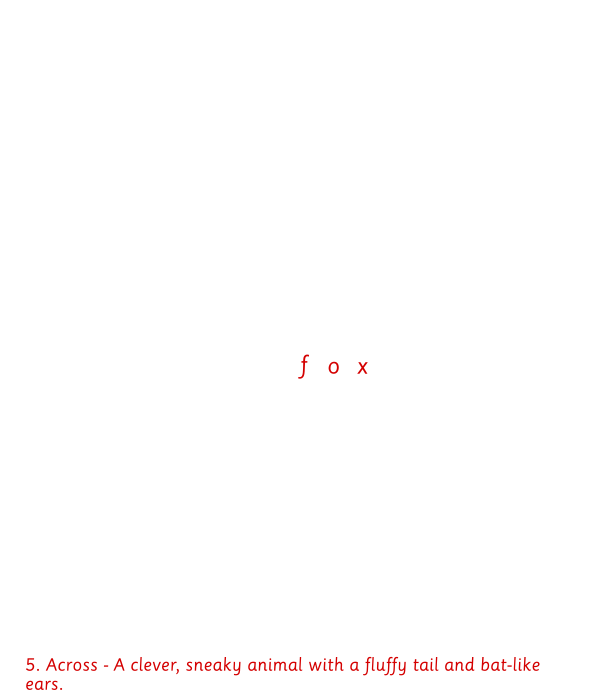
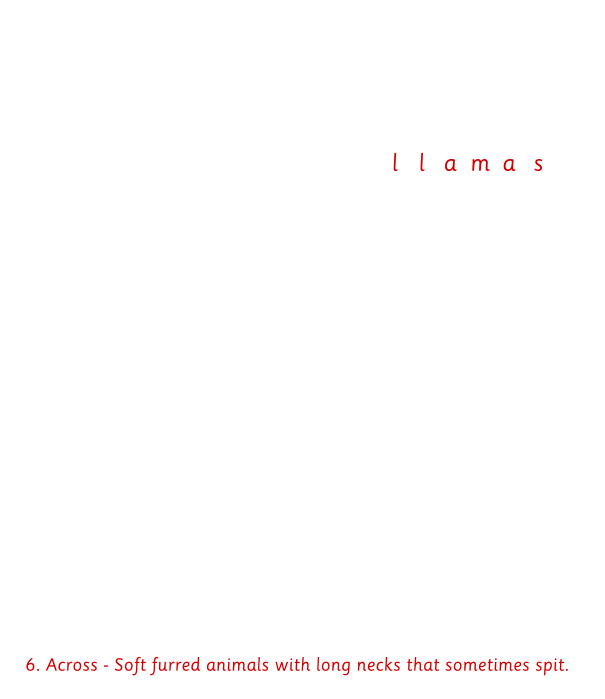
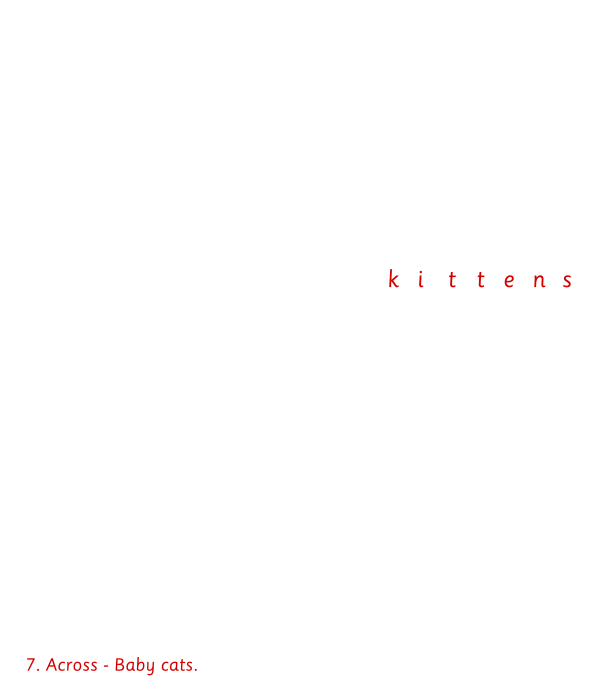
Wordsearch#





Conservation Inside the Home#
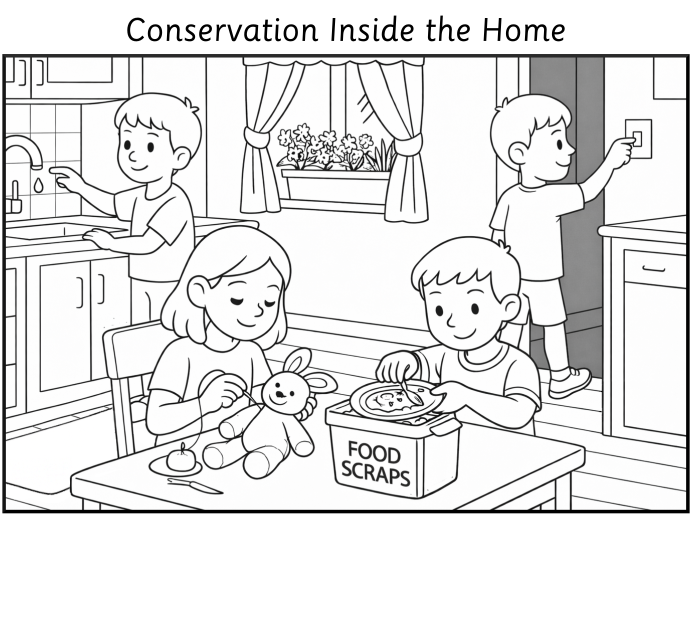
Conservation Outside the Home#
Spot the Difference#
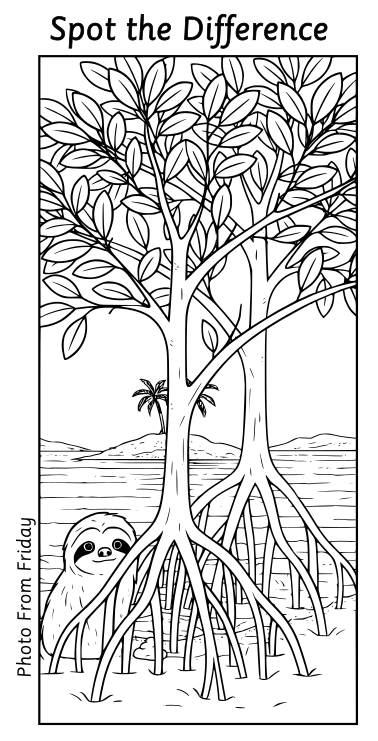
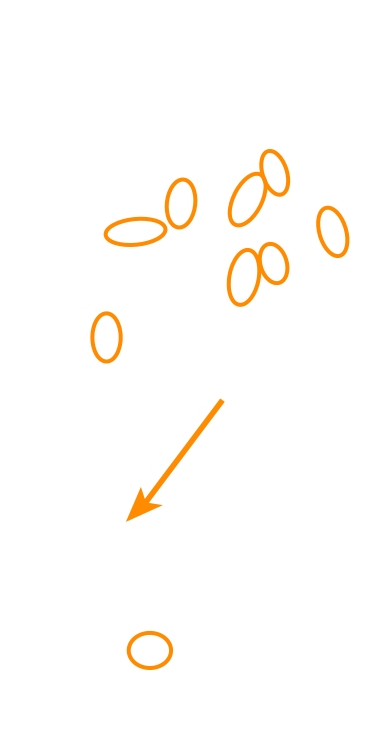
The pygmy three-toed sloth has moved between the Tuesday and Friday photos. Sloths spend most of their time high up in red mangrove trees (canopy), where they eat, sleep, and feel safe. Even though they are very slow, they do move around.
Did you spot the 8 missing leaves? That’s because sloths eat leaves every day! Leaves are their favourite food (diet), but they also nibble on little buds and tiny twigs.
Sloths take a very long time to digest their food — sometimes up to 30 days for just one meal. Because leaves don’t give them much energy (low calories), sloths have a very slow body engine (metabolism). This means they move slowly to save power (energy conservation). They even get most of their water from the plants they eat, so they don’t need to drink much.
We only saw one sloth in the pictures. That’s because pygmy sloths like to be on their own (solitary). They stay high in the trees where they are safest from other animals that might want to eat them (predators). Very rarely, they climb down to the ground to do a poo (defecate) — and that can be dangerous for them!
Your research really matters because pygmy three-toed sloths are very rare (critically endangered). There are only a few thousand left in the wild. By learning where they eat, rest, and move (their habitat), people can help protect the mangrove trees which the sloths need to survive.
If the mangroves are damaged by storms, buildings, or the sea rising, the sloths could lose their homes. That’s why conservation and rescue teams work hard to protect nature (conservation) and help animals in trouble (rescue). The island may be small, but every tree and every leaf matters for the pygmy three-toed sloth 💚🦥
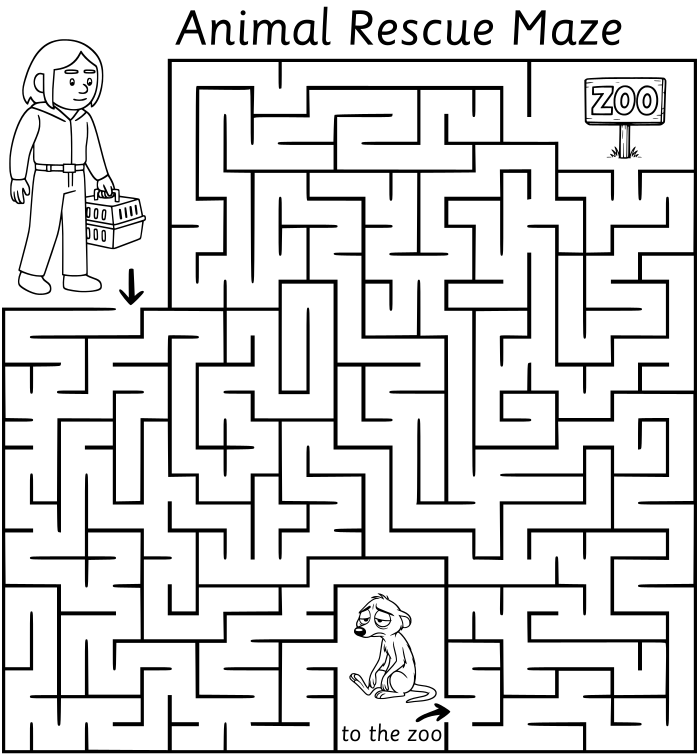
Animal Rescue Maze#